FIA Moves to Close Red Bull's Floor Loophole Ahead of 2027 — Audi's Copy Gets Caught Too
The FIA is set to shut down the clever floor-body-stay design Red Bull exploited this season — and that Audi later copied — by tightening the 2027 technical regulations, forcing both teams to rethink part of their next car.
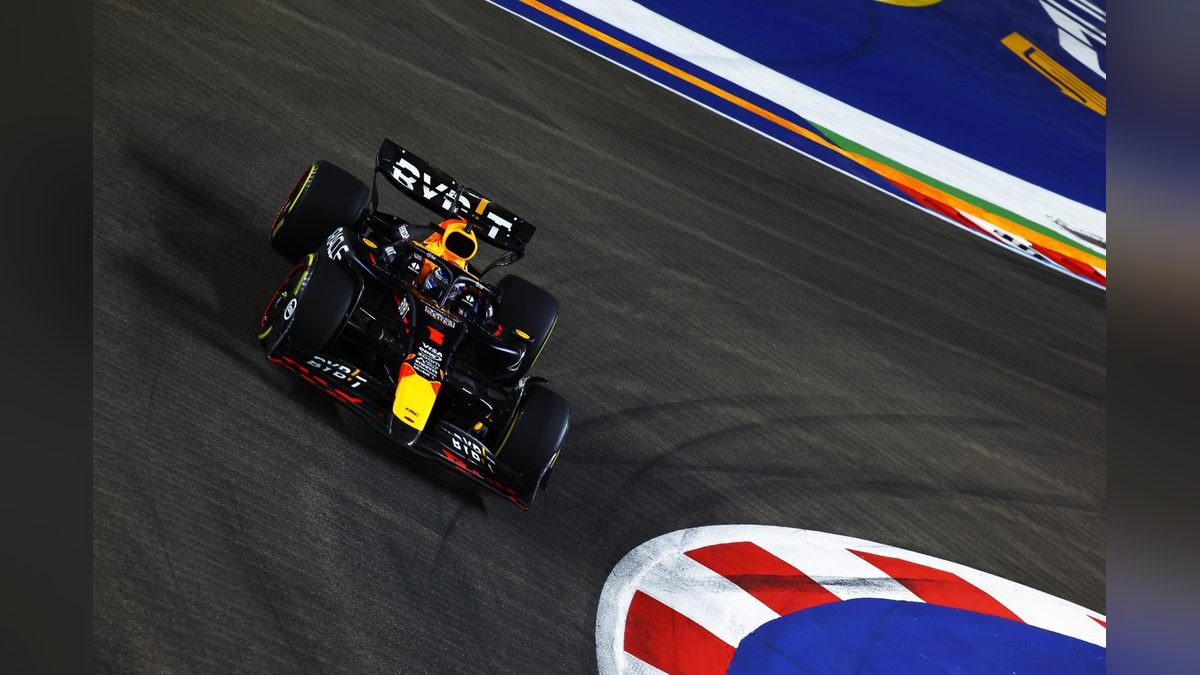
Formula 1's rulebook just got a little tighter. The FIA is moving to close an aerodynamic loophole that Red Bull exploited during the 2026 season — and which Audi later copied — by rewriting the rules on a small but powerful piece of the car known as the floor body stay.
The development was first reported by AutoRacer.it's Rosario Giuliana and picked up by Athlon Sports ahead of this weekend's United States Grand Prix in Austin. According to the report, the FIA plans to reduce the permitted dimension associated with a floor support from 20mm to just 5mm — a change aimed squarely at the 2027 regulations rather than the current season.
The story behind the change is pure Formula 1 engineering gamesmanship. The floor body stay is officially a structural component that links the car's floor to a suspended part of the chassis. But its position — and the way it meets the surrounding bodywork — can also shape how air flows around the floor and sidepods. Per a technical analysis cited by Paddock GP, Red Bull used this gray area to create a sharper edge at the sidepod, exempting the part from the shape constraints applied to normal bodywork and helping channel air toward the rear of the car and the diffuser.
It worked. After a slow start to the season, Max Verstappen won back-to-back grands prix in Malaysia and Singapore as the team found its stride. Now, just as Red Bull's momentum is building, the design trick that helped them is about to be outlawed — along with Audi's version of the same idea.
The timing is notable but the effect is delayed: the restriction applies to next year's cars, so the current championship fight is unaffected. Still, with the 2027 season bringing a broader regulation reset — including Formula 1's return to V8 engines in 2030 and lighter cars — Red Bull and Audi must now redesign a part of the floor that had become part of their performance recipe.