FIA Admits "Human Error" Gave Some Cars a Boost Advantage in Singapore Sprint Qualifying
Formula 1's governing body admitted a human error caused unequal Overtake Mode deployment during SQ1 at the Singapore Grand Prix, while Max Verstappen kept sprint pole after a yellow-flag investigation.
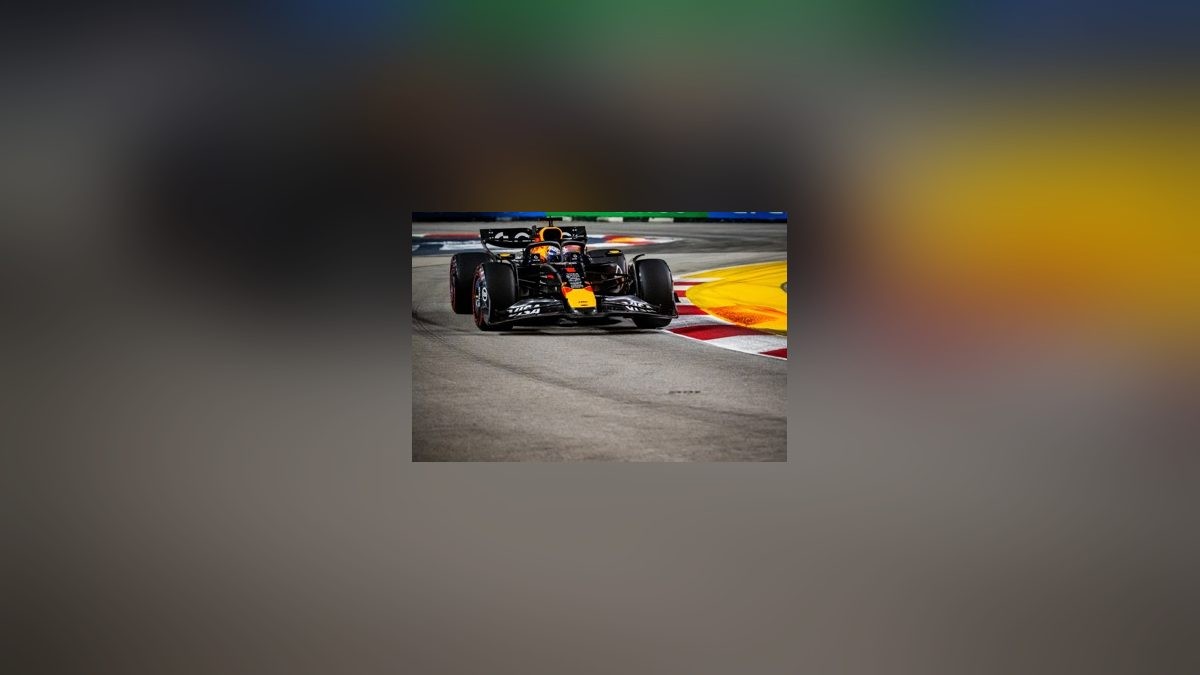
The FIA has admitted that a human error during Friday's Singapore Grand Prix sprint qualifying handed some drivers an unintended power boost, raising fresh questions about fairness under Formula 1's new 2026 power unit regulations. The Overtake Mode system — which supplies extra electrical energy under prescribed conditions — was activated for only 27 seconds during the opening segment, meaning drivers experienced different operating conditions depending on where they were on the circuit. The FIA confirmed SQ2 and SQ3 were unaffected and stressed the error was separate from SQ1 timing problems, though it did not name which drivers gained or lost out. The admission capped a chaotic session at Marina Bay. Max Verstappen secured pole for Saturday's sprint with a 1:31.156 lap, pipping George Russell and Charles Leclerc, but faced a two-hour stewards' investigation for passing Lewis Hamilton's Ferrari under yellow flags after Sergio Perez hit the barriers. Stewards ultimately ruled the move an "unfortunate consequence" of the closing-speed difference on a fast lap and applied no penalty. Russell had earlier topped the only practice session at 1:32.274 ahead of Leclerc, but will still start Sunday's Grand Prix from the back of the grid because of an engine penalty.